Mobility Aids for Visually Impaired Users: Improving Freedom
Wiki Article
Empowering Self-reliance With Assistive Modern Technology for the Blind
The integration of assistive modern technology right into the lives of people with aesthetic disabilities stands for a substantial improvement in advertising freedom and self-sufficiency. From ingenious display viewers to sophisticated smart canes, these tools not only improve everyday navigation and communication however also equip users to involve meaningfully in various aspects of life. As we check out the myriad benefits and real-world applications of these modern technologies, it ends up being critical to examine the hidden elements that add to their effectiveness and the potential for future growths in this crucial field.Introduction of Assistive Innovation
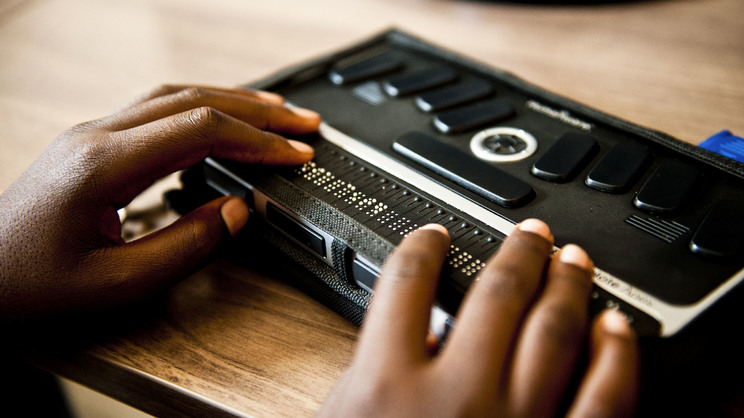
The growth of assistive technology is based in concepts of inclusivity and empowerment. Innovations in software, equipment, and sensory enhancements offer individuals with choices tailored to their details demands. From display visitors that convert message to speech, to tactile devices that convey info with touch, these tools transform the method people involve with their environments.
Along with practical applications, assistive technology cultivates higher social addition and participation in numerous industries, including education and learning and employment (Smart glasses for the visually impaired). As research and growth continue to evolve, the possibility for assistive innovation to additionally boost the lives of aesthetically damaged individuals stays appealing, paving the way for a more equitable society where everyone can flourish
Sorts Of Assistive Instruments
A selection of assistive tools have arised to sustain individuals with aesthetic disabilities, each created to fulfill certain demands and improve everyday functioning. These tools vary from low-tech options to sophisticated technologies, giving diverse alternatives for individuals.Low-tech gadgets include magnifiers and large-print products that assist in reading and writing. Braille devices, such as Braille slates and styluses, enable tactile reading and communication. Positioning and movement aids, like white walking canes, help individuals navigate their atmosphere securely.
On the greater end of the range, digital magnification systems and display viewers provide considerable assistance. Electronic magnifiers permit users to increase the size of text and pictures on screens, while display visitors transform electronic content into manufactured speech, promoting accessibility to information on smart devices and computers.
Smartphone applications likewise play a crucial role, supplying functions like text recognition and navigation assistance. Wearable innovation, such as smart glasses geared up with increased reality, is arising as an appealing tool to improve situational understanding.
Benefits of Assistive Innovation
The combination of assistive technology substantially improves the top quality of life for people with aesthetic disabilities. These innovations empower customers by promoting independence, allowing them to browse their atmospheres a lot more properly and execute day-to-day tasks with greater ease. Screen readers and magnification software program allow people to access digital info, promoting specialist and instructional opportunities that may have previously been out of reach.Additionally, assistive gadgets such as wise walking sticks and GPS applications provide real-time navigating assistance, enhancing movement and safety and security. This boosted freedom not just improves self-worth but also urges social interaction, enabling individuals to participate more fully in their communities.
Assistive modern technology additionally helps with interaction, helping customers connect with others via voice acknowledgment and text-to-speech applications. This ability is important for maintaining partnerships and accessing important details.
Furthermore, the customization alternatives offered with lots of assistive innovations make sure that customers can tailor devices to their specific demands, even more improving usability and efficiency. In general, the benefits of assistive technology for people with aesthetic disabilities are extensive, advertising a much more inclusive society where everyone can pursue their objectives and aspirations.

Study and Success Stories
Highlighting the transformative impact of assistive technology, numerous case studies show exactly how people with aesthetic problems have effectively integrated these tools right into their lives. One engaging instance involves a college trainee who made use of display reading software program to browse scholastic products and on the internet sources successfully. This innovation not just promoted her education yet additionally enhanced her self-confidence in joining discussions and group projects.An additional situation research includes a professional who utilizes a mobile phone application developed for navigating and object acknowledgment. By utilizing this application, he has reclaimed autonomy in both his personal and work environments, permitting him to commute individually and engage with colleagues better.
Furthermore, a retired person shared her experience with braille e-readers, which enabled her to access a substantial selection of literature and remain attached with her area through book clubs.
These success stories highlight the crucial function of assistive technology in fostering self-reliance, improving quality of life, and advertising social integration for individuals with aesthetic impairments (Screen readers for the blind). By accepting these innovative devices, users can overcome difficulties and confiscate possibilities that add to their personal and specialist satisfaction
Future Fads in Assistive Technology
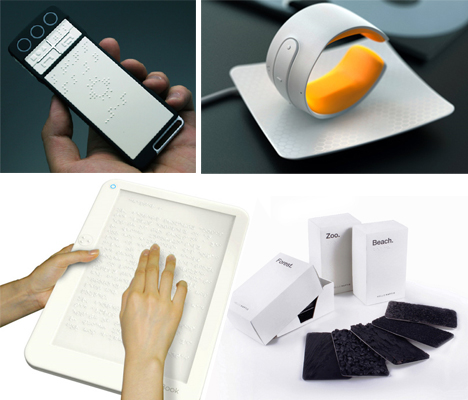
Development in assistive technology is positioned to redefine the landscape of assistance for individuals with aesthetic problems. Arising trends stress the assimilation of fabricated intelligence (AI) and artificial intelligence, which enhance the functionality of tools that assist with navigating and info accessibility. For example, AI-driven applications are now efficient in analyzing visual data in real-time, enabling customers to engage with their atmosphere a lot more separately.In addition, the growth of wearable innovation is advancing rapidly. Smart glasses outfitted with increased truth (AR) can provide audio descriptions of surroundings, transforming exactly how individuals connect with public areas. These gadgets not just advertise freedom but additionally foster social addition.
Additionally, the Net of Points (IoT) is making homes smarter, permitting seamless connection in between assistive tools and everyday devices. This connection encourages customers by making it possible for voice-activated controls and automatic actions customized to private requirements.
Verdict
Finally, assistive technology plays a critical duty in equipping individuals with aesthetic disabilities by boosting their self-reliance and engagement with their environments. The diverse array of devices and applications offered not just assists in navigation and interaction but likewise promotes social combination and opportunities for individual and professional development. As advancements proceed in this field, the possibility for improving the high quality of life for those with visual disabilities will certainly expand, cultivating higher autonomy and empowerment.
Report this wiki page